Antioxidant Systems in Cosmetics: Vitamin C, E, and Ferulic Acid Stability
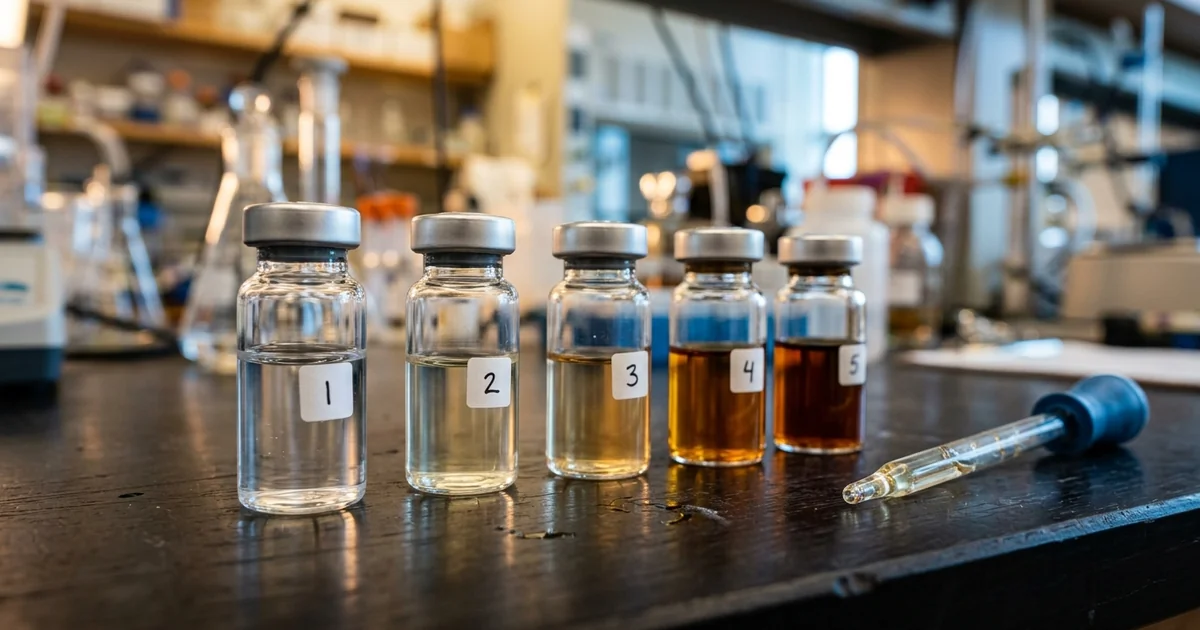
A customer opens a three-month-old vitamin C serum, finds it has turned the colour of weak tea, and leaves a one-star review — and the brand discovers that the antioxidant it built its marketing around was gone long before the product expired. This is one of the most common failure modes in premium skincare, and it is expensive: discoloured stock has to be pulled, the claim can no longer be substantiated, and consumer trust in the whole line takes the hit. Good antioxidant cosmetic formulation stability is a design problem that has to be solved across the formula, the packaging, and the manufacturing process together, because an antioxidant is consumed every time it does its job and everything about a finished product's storage life works against it. This article explains why cosmetic antioxidants degrade, how the major classes differ and which phase they belong in, how the vitamin C, vitamin E, and ferulic acid network slows that degradation while improving skin protection, and what pH, chelation, packaging, and process controls actually keep a system alive on the shelf. Read it and you will be able to specify an antioxidant system on the mechanism, not on the ingredient label alone.
Why Antioxidant Cosmetic Formulation Stability Is So Hard to Achieve
An antioxidant protects something by being oxidised in its place, which means it is used up by definition whenever it works. Inside a jar or bottle it is not waiting idle for the moment of application; it is continuously reacting with dissolved oxygen, with trace metal ions carried in by water and raw materials, and with radicals generated by ambient light and warmth during months of storage and transport. Understanding that the product's own shelf life is an oxidative assault is the starting point for designing a system that survives it.
- Dissolved and headspace oxygen — water and the air gap in the pack carry enough oxygen to consume a sensitive antioxidant well before the stated expiry, and each opening of a jar replenishes it.
- Trace transition metals — iron and copper at parts-per-million levels catalyse radical generation and directly accelerate antioxidant breakdown through Fenton-type chemistry.
- Light and heat — ultraviolet and visible light drive photo-oxidation, and every 10 °C rise roughly doubles reaction rates, so warehouse and shipping conditions matter.
- Intrinsic instability — L-ascorbic acid oxidises readily to dehydroascorbic acid and then to inactive, coloured products; unsaturated plant oils and some phenolics degrade on their own timeline too.
Because these pathways run continuously and reinforce each other, a serum can lose a large fraction of its labelled antioxidant activity within months unless the formula is engineered to slow every one of them. The first lever is choosing the right antioxidants and putting each one where it can actually work.
The Antioxidant Classes and Their Phase Constraints
Cosmetic antioxidants divide broadly into water-soluble and oil-soluble families, and that solubility is not a detail — it dictates which phase of an emulsion the antioxidant protects and how it has to be handled. A water-phase antioxidant does little for lipid oxidation in the oil droplets, and an oil-phase antioxidant cannot defend water-phase actives. Matching the antioxidant to the phase it needs to guard, and recognising that some ingredients need a partner in the other phase, is fundamental to cosmetics and personal care formulation.
| Antioxidant | Phase / solubility | Primary role | Key stability constraint |
|---|---|---|---|
| L-ascorbic acid (vitamin C) | Water-soluble | Radical scavenging; collagen-synthesis cofactor | Needs low pH, low oxygen, metal control; oxidises and browns readily |
| Ascorbic acid derivatives (SAP, MAP, ethyl ascorbic acid, THD ascorbate) | Water- or oil-soluble depending on type | Vitamin C activity after skin conversion | Much more stable; relies on enzymatic conversion, less efficacy data |
| Tocopherol / tocotrienol (vitamin E) | Oil-soluble | Breaks lipid peroxidation chains | Forms a mildly pro-oxidant radical unless regenerated by vitamin C |
| Ferulic acid | Water-soluble (better at slightly raised pH or in solvent) | Radical scavenging; stabilises C and E in the formula | Limited solubility; can discolour; often pre-dissolved |
| Ubiquinone (CoQ10), resveratrol, carotenoids | Mostly oil-soluble | Supplementary radical scavenging | Colour, light sensitivity, and cost; usually supporting actives |
The table also shows why single-antioxidant products are usually weaker than blends: no one molecule covers both phases, scavenges every radical type, and stays stable on its own. That gap is exactly what a designed synergy network is built to close.
The C, E, and Ferulic Acid Synergy Network
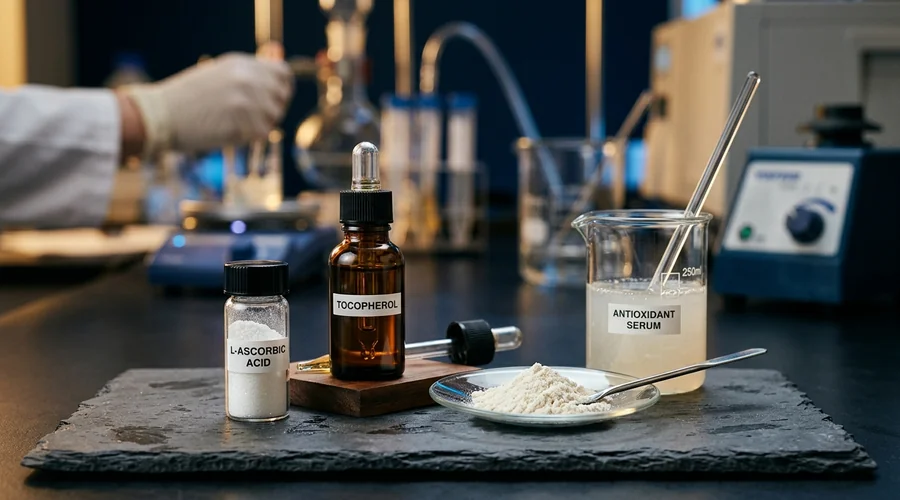
The combination of vitamin C, vitamin E, and ferulic acid is a formulation template because the three molecules support each other chemically rather than simply adding up. Vitamin E works in the lipid phase, interrupting the chain reaction of lipid peroxidation, but each time it does so it becomes a tocopheroxyl radical that is itself weakly pro-oxidant. Vitamin C, sitting in the water phase, donates an electron across the oil-water interface to convert that radical back to active vitamin E, so the two continuously regenerate each other. Ferulic acid then adds its own radical-scavenging capacity and, importantly, measurably slows the degradation of both vitamins in the finished formula.
- Vitamin E quenches lipid radicals — it stops peroxidation chains in the oil phase and in skin lipids, becoming a spent tocopheroxyl radical in the process.
- Vitamin C regenerates vitamin E — ascorbate reduces the tocopheroxyl radical back to tocopherol, extending vitamin E's working life and neutralising its pro-oxidant form.
- Ferulic acid stabilises the pair — as a phenolic co-antioxidant it scavenges radicals directly and improves the measured chemical stability of the C and E on storage.
- The network raises photoprotection — published research on this specific trio showed it reduced ultraviolet-induced skin damage markers more than any single component, a genuine additive-to-synergistic benefit.
The classic version of this system relies on free L-ascorbic acid at low pH, which brings its own formulation demands; our dedicated guide to vitamin C serum formulation stability covers the ascorbic acid case, the low-pH strategy, and the choice between L-ascorbic acid and derivatives in full. Whichever form of vitamin C is used, the network only holds up if the surrounding formula is engineered to suppress the reactions that consume it.
Stabilisation Strategy: pH, Chelation, and Oxygen Exclusion
Choosing the antioxidants is half the job; the other half is building a formula environment where they degrade slowly. Three levers do most of the work: the pH of the system, the removal of catalytic metal ions, and the exclusion of oxygen and light. These are decided alongside the phase structure and the packaging, not bolted on afterwards, because each one interacts with the others and with the actives.
- pH control — free ascorbic acid is most stable and most skin-permeable at low pH; derivatives tolerate a wider, more neutral range, which changes what else can go in the formula.
- Chelation — a sequestrant such as disodium EDTA, or a milder sodium phytate or gluconate, binds iron and copper so they can no longer catalyse oxidation; this is near-mandatory in an antioxidant formula.
- Oxygen and light exclusion — opaque or UV-filtering packaging, minimal headspace, and airless or single-dose formats stop air being drawn back in with each use.
- Reducing water and oxygen load — anhydrous or low-water systems, deaerated water, and nitrogen blanketing all cut the amount of oxygen the antioxidants have to fight.
- Encapsulation — physically separating a sensitive antioxidant from the bulk in a microcapsule or liposome can extend its life, at the cost of formulation complexity.
These decisions determine whether an antioxidant survives long enough to matter. They also force a distinction that many briefs blur — whether a given antioxidant is in the formula to protect the product or to benefit the skin.
Protecting the Product vs Protecting the Skin
The same antioxidant chemistry serves two different jobs in a cosmetic, and treating them as one causes real formulation errors. One job is keeping the base itself from oxidising — stopping oils going rancid, preventing discolouration, protecting other ingredients during the shelf life. The other is delivering a labelled skin benefit, which requires a meaningful, stabilised dose that is still functional when the consumer applies it. A formula frequently needs both, handled separately.
- Product-protecting antioxidants — typically a low level of tocopherol in an oil phase, or a robust synthetic chain-breaker, present to prevent rancidity and colour drift in the vehicle.
- Skin-benefit antioxidant systems — the labelled active blend, dosed and stabilised so that a worthwhile amount survives to the point of application and beyond.
- The common error — assuming a trace, product-stabiliser level of tocopherol also delivers the vitamin E skin claim; the two use levels are not the same.
- Regulatory framing — antioxidant efficacy claims sit under cosmetic regulations such as EU Regulation 1223/2009 and require substantiation appropriate to the claim being made.
Getting this separation right keeps the marketing claim honest and the formula robust. It also sets up the final question: how to prove, with data, that the system actually holds up in the real product.
Testing and Manufacturing Controls That Keep the System Alive
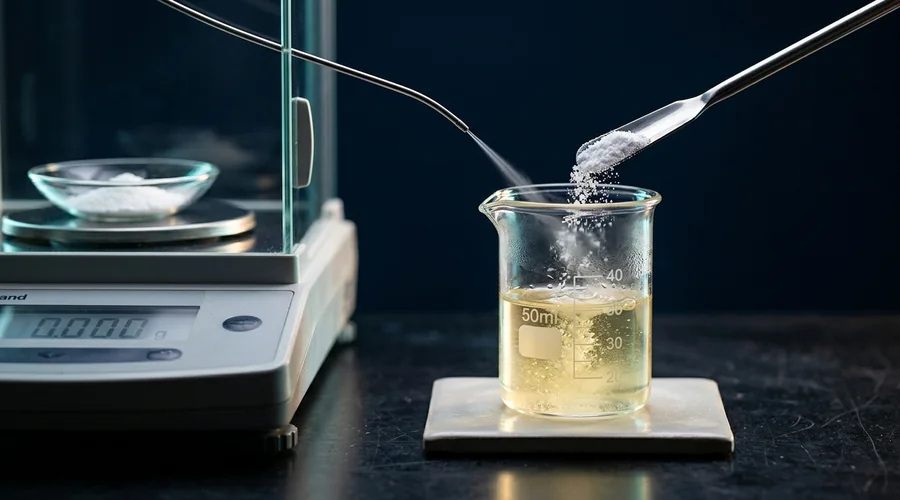
An antioxidant formula that looks right on paper still has to be proven in the pack it will ship in, made by the process that will produce it. The manufacturing step is where many well-designed formulas quietly fail, because the plant introduces oxygen and heat that the lab bench did not. Both the process controls and the stability programme have to be specified deliberately.
- Deaerated or nitrogen-sparged water — removing dissolved oxygen from the water phase before the antioxidants are added cuts their initial consumption.
- Inert gas blanketing — nitrogen over the batch, in the bulk hold vessel, and on the filling line limits oxygen pickup during processing and packing.
- Late, cool addition — sensitive antioxidants go in near the end of the process at the lowest workable temperature, and the finished bulk hold time is kept short.
- Raw material and water quality control — incoming water hardness and metal content, and the metal content of pigments and extracts, are specified and checked.
- Stability studies — accelerated and real-time programmes tracking the actives assay and the peroxide value of any oils, in the final pack, confirm the shelf life. Our guide to cosmetic stability and shelf-life testing covers these protocols in detail.
When the formula, the process, and the packaging are designed as one system and then validated together, an antioxidant product can hold its claimed activity for a full commercial shelf life. That integration — not any single hero ingredient — is what separates a serum that browns in the warehouse from one that performs as labelled, and our article on niacinamide stability and formulation compatibility shows the same principle applied to another headline active.
Frequently Asked Questions
Why do cosmetic antioxidants lose activity so quickly in the finished product?
An antioxidant works by being preferentially oxidised so that something else is not, which means it is consumed by definition every time it does its job. Inside a jar or bottle that job is not only protecting skin later; it is also mopping up dissolved oxygen, trace metal ions from water and raw materials, and radicals generated by light and heat during storage.
Vitamin C in its free acid form is the clearest example: it oxidises to dehydroascorbic acid and then to inactive, yellow-brown breakdown products, visibly discolouring the product. Vitamin E and ferulic acid are more stable alone but are still slowly consumed. The practical consequence is that a serum can lose a large fraction of its labelled antioxidant activity months before its stated expiry unless the formula, the packaging, and the manufacturing process are all designed to slow oxidation.
What is the vitamin C, vitamin E and ferulic acid synergy, and does it really work?
The synergy is a well-documented antioxidant network effect rather than a marketing claim. Vitamin E (tocopherol) sits in the lipid phase and stops lipid peroxidation chain reactions, but in doing so it becomes a tocopheroxyl radical that is itself mildly pro-oxidant. Vitamin C (ascorbic acid) in the water phase donates an electron to regenerate vitamin E back to its active form, so the two recycle each other across the oil-water interface.
Ferulic acid, a plant phenolic, both adds its own radical-scavenging capacity and measurably improves the chemical stability of the vitamin C and vitamin E in the formula, slowing their degradation on storage. Published photoprotection research on this specific combination showed greater protection against ultraviolet-induced skin damage than any of the three components alone, which is why the C plus E plus ferulic structure became a formulation template.
Should I use L-ascorbic acid or a vitamin C derivative for a stable product?
It depends on the balance between proven activity and formulation robustness the brand wants. L-ascorbic acid is the most researched form and the reference for efficacy, but it demands a low-pH, low-water or well-protected system, tight oxygen and metal control, and often opaque airless packaging to hold up over a shelf life.
Derivatives such as sodium ascorbyl phosphate, magnesium ascorbyl phosphate, ascorbyl glucoside, ethyl ascorbic acid and tetrahexyldecyl ascorbate are far more stable in a wider pH range and in emulsions, at the cost of relying on the skin to convert them back to active ascorbate, with generally less published efficacy data. A common approach is to reserve L-ascorbic acid for a dedicated, well-engineered serum and to use a derivative where vitamin C is a supporting ingredient in a cream or lotion. Our dedicated guide on vitamin C serum stability covers the ascorbic acid case in depth.
What is the difference between an antioxidant that protects the product and one that protects the skin?
Both use the same underlying chemistry but serve different roles, and confusing them leads to formulation mistakes. A product-protecting antioxidant, such as tocopherol added at a low level to an oil phase or a synthetic chain-breaker used to stop rancidity, is there to keep the base itself from oxidising and going rancid or discoloured on the shelf.
A skin-benefit antioxidant is a labelled active, dosed and stabilised so that a meaningful amount is still present and functional when the consumer applies it and it reaches the skin. A formula often needs both: a small amount of a robust antioxidant to protect the vehicle, plus a properly stabilised active system to deliver the claimed benefit. Treating a trace product-stabiliser level of tocopherol as if it were the skin-benefit dose is a frequent error.
How do chelating agents help antioxidant stability if they are not antioxidants themselves?
Trace metal ions, chiefly iron and copper, catalyse the reactions that generate reactive oxygen species and accelerate the breakdown of both antioxidants and the rest of the formula, often via Fenton-type chemistry. These metals arrive unavoidably in small quantities from water, plant extracts, pigments, and even raw material packaging.
A chelating agent such as disodium EDTA, or a milder option like sodium phytate or gluconate, binds those ions and holds them in a form that can no longer drive the catalytic cycle. The chelator does not scavenge radicals directly, but by removing the catalyst it dramatically slows the rate at which the antioxidant system is consumed, which is why a chelant is treated as a near-default component of any antioxidant formulation rather than an optional extra.
What packaging and manufacturing controls matter most for an antioxidant formulation?
The single biggest factor is limiting the antioxidant's contact with oxygen and light over the product life. On packaging, that means opaque or UV-filtering containers, minimal headspace, and airless pump or single-dose formats for the most sensitive systems so that air is not drawn back in with each use.
On the manufacturing side, it means using deaerated or nitrogen-sparged water, blanketing the batch and the filling line with nitrogen, adding the antioxidants late in the process and at the lowest workable temperature, keeping the finished bulk hold time short, and controlling incoming water quality and raw material metal content. Accelerated and real-time stability studies, tracking both the actives assay and the peroxide value of any oils, then confirm that the combination of formula, process, and pack actually holds up. Skipping the process controls can undo an otherwise well-designed formula.
When should a brand bring in a formulation consultant for an antioxidant product?
The most useful point is during formula and pack design, before any stability batches are made, because the antioxidant system, the pH, the chelation strategy, the phase structure, and the packaging all have to be decided together rather than in sequence. A consultant maps which antioxidants are being asked to protect the product versus deliver a skin benefit, designs the synergy network so the actives regenerate each other rather than compete, specifies the chelation and oxygen-exclusion approach, and sets the stability protocol that will prove the shelf life.
Engagement is particularly valuable for a brand building its first vitamin C serum or multi-antioxidant line, or scaling one from a lab formula to production, where nitrogen handling, filling-line oxygen pickup, and raw material metal control become real constraints. Bringing that expertise in early is consistently cheaper than reformulating after a batch discolours in the field.
Developing an Antioxidant Serum or Multi-Antioxidant Line?
Global Formulation provides cosmetic antioxidant product development services, vitamin C and ferulic acid synergy system design, oxidation-prevention formulation, and stability and scale-up support for skincare brands and contract manufacturers.
Talk to Our Formulation Team