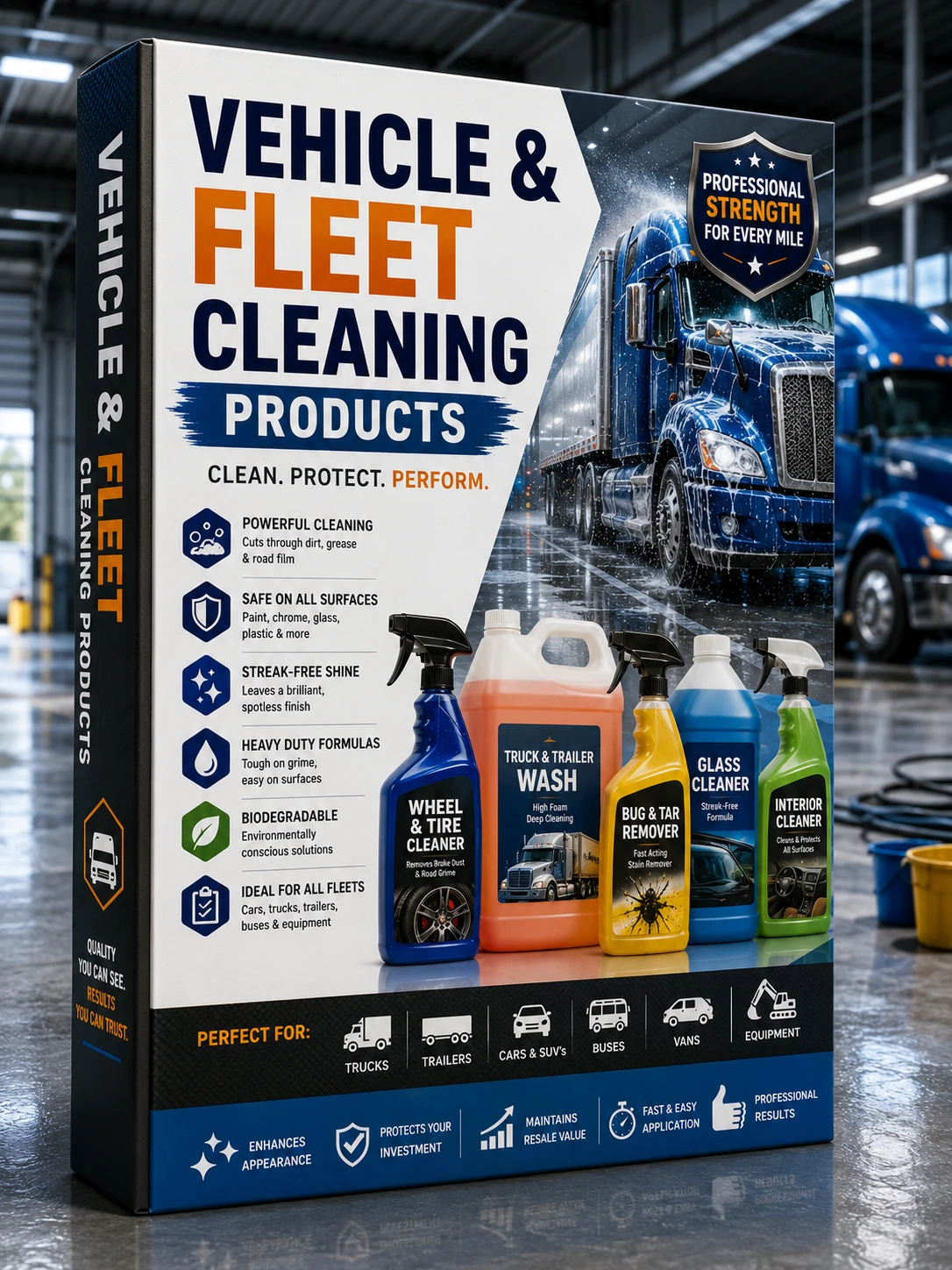
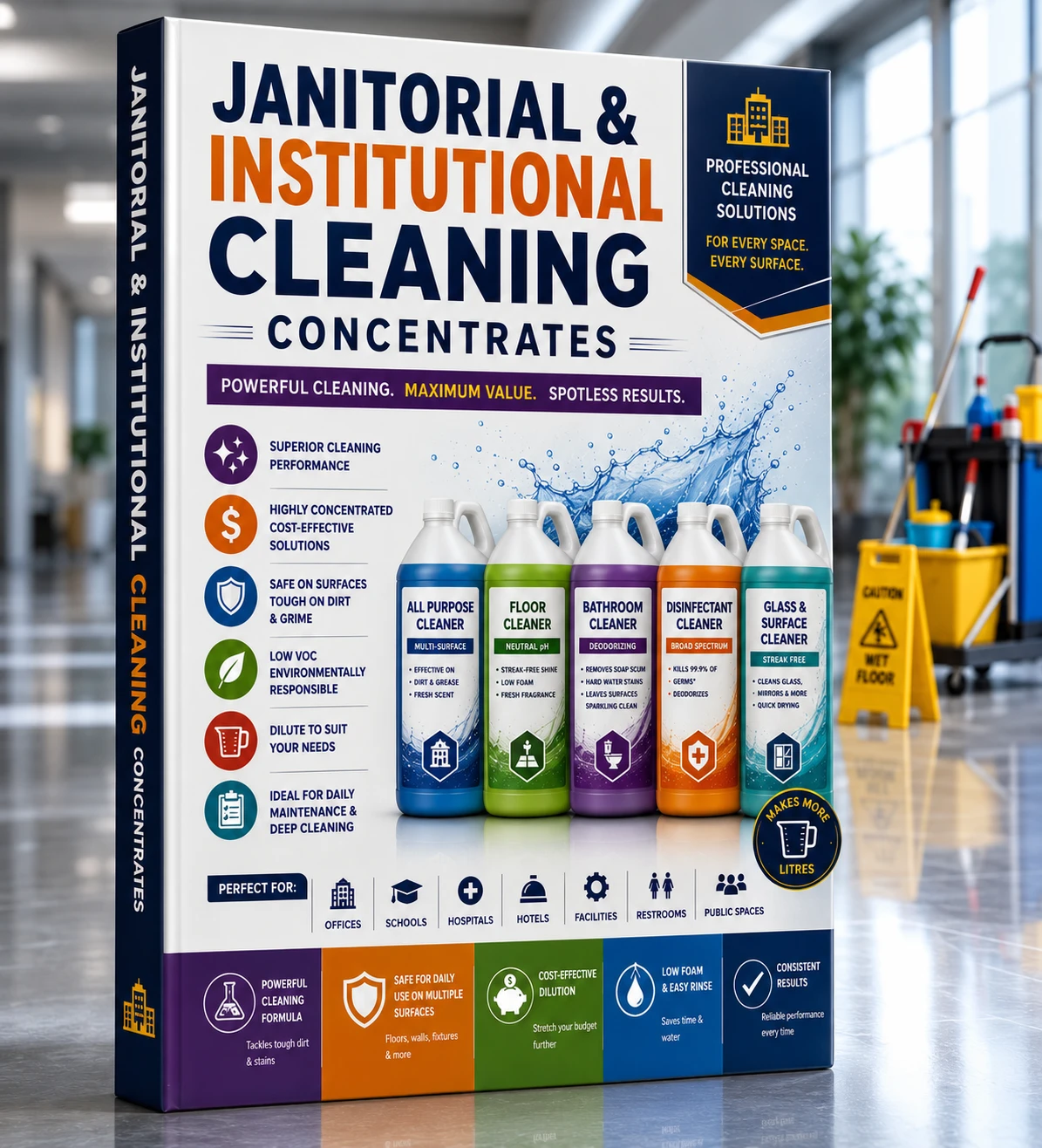
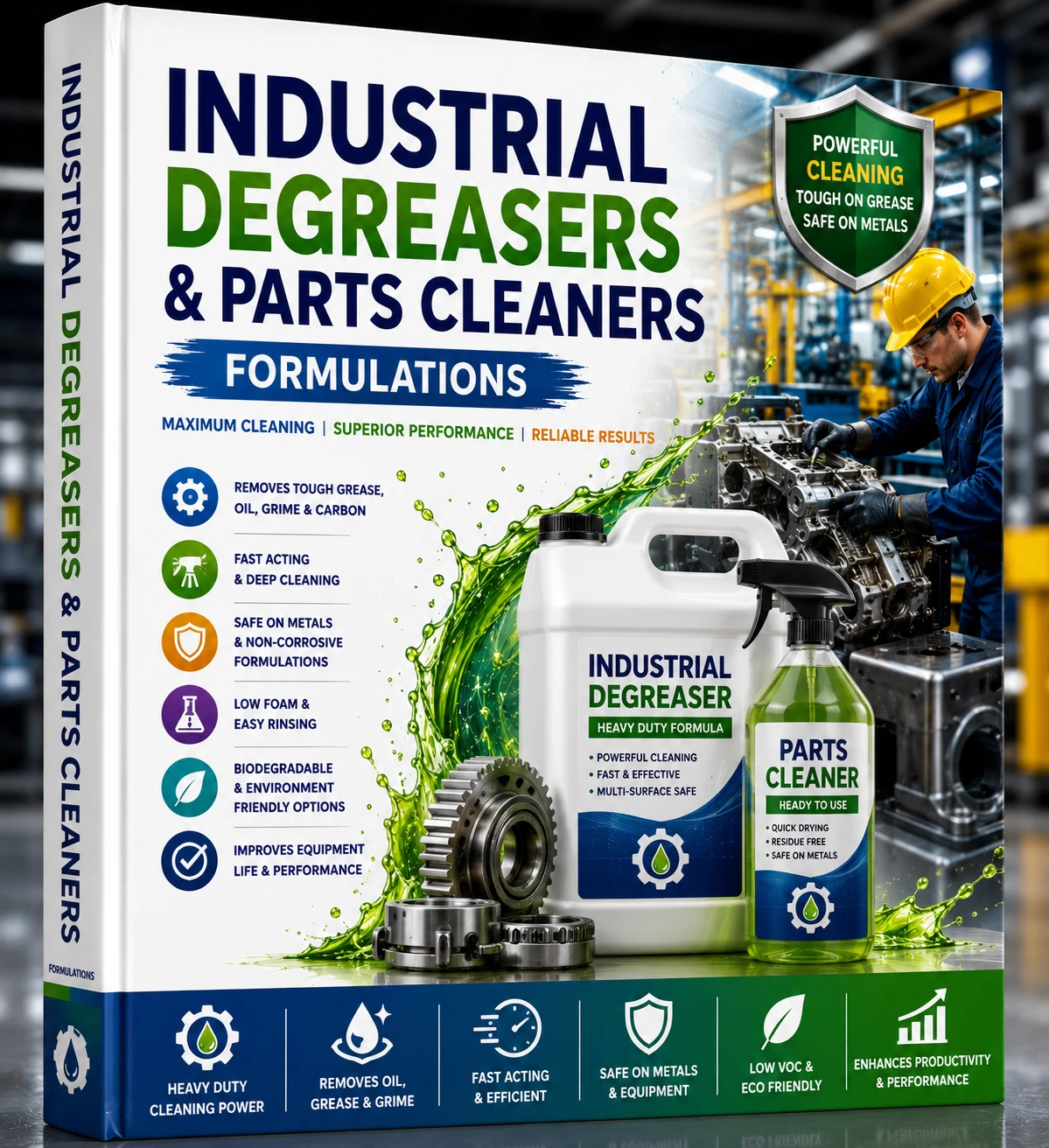
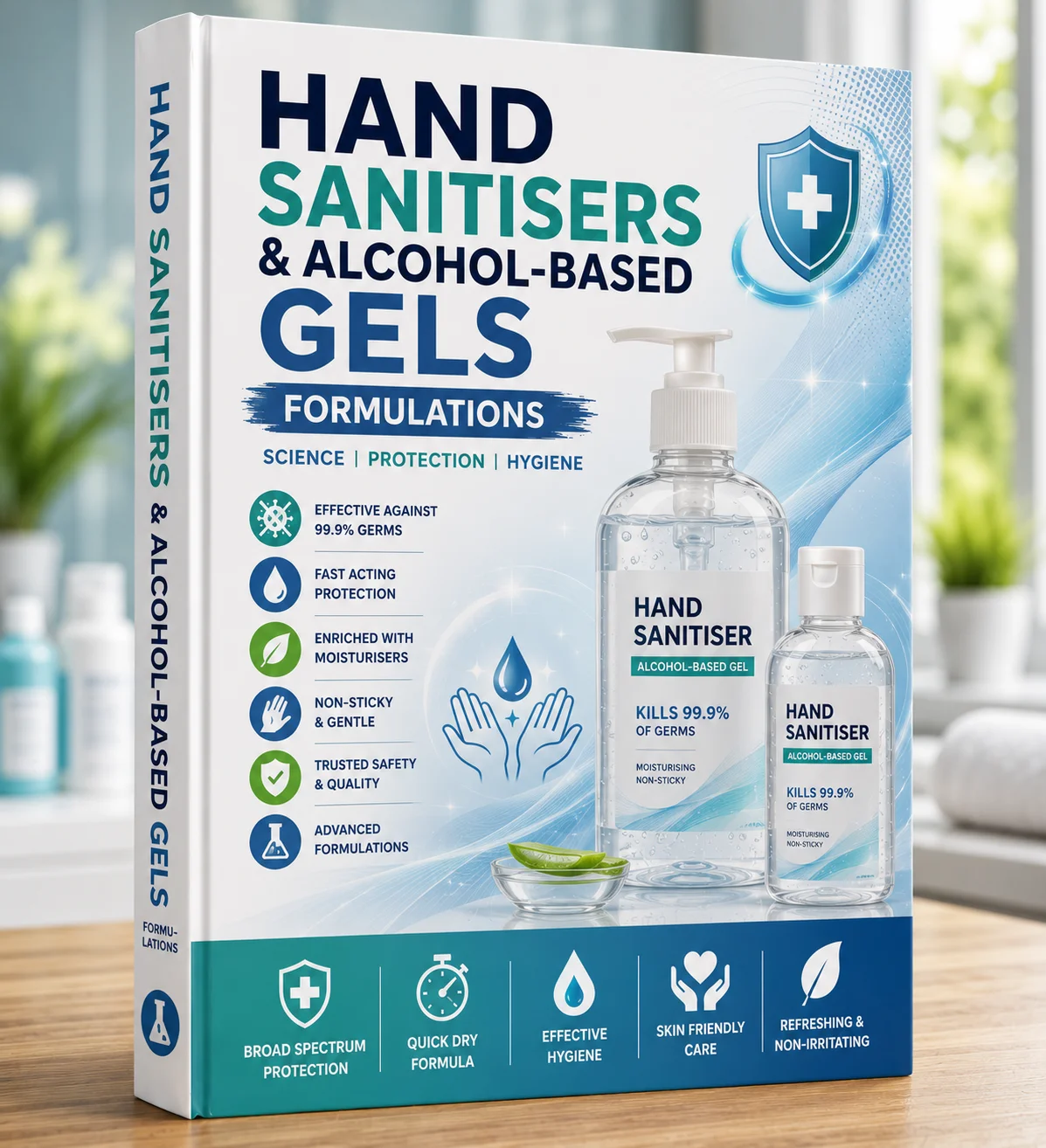
Hand Sanitisers & Alcohol-Based Gels — Formulation & Regulatory Guide
About this book
Hand Sanitisers & Alcohol-Based Gels — Formulation & Regulatory Guide is a technically rigorous formulation reference covering 32 validated starting-point formulations across 8 sub-categories — from carbomer- and cellulose-thickened alcohol gels and WHO-aligned rubs to foaming antiseptics, surgical scrubs, and non-alcohol quat sanitisers. It provides formulators, R&D chemists, and entrepreneurs with the chemical principles, compounding SOPs, and regulatory compliance guidelines required to manufacture premium-grade antiseptic products.
The technology
The guide covers microbicidal denaturation chemistry, polymer swelling physics (carbomer neutralisation, steric expansion), electrolyte sensitivity, and skin hydration science (TEWL prevention, re-fatting ester deposition). It details regulatory pathways under EU BPR (PT1/PT2), FDA OTC monographs, and BIS standards (IS 15171 / IS 15396), as well as safety protocols for managing Class 3 flammable liquids.
Inside the formulations
All 32 formulations are structured across Economy, Mid-range, Premium, and Specialty tiers in 8 sub-categories. Each formulation block includes a 100 kg reference batch BoM with INCI/IUPAC names, % w/w, functions, and sourcing tiers, alongside compounding SOPs, QC test targets (pH, viscosity, specific gravity), flammability notes, and scientific rationale.
What you get
- 32 starting-point formulations across 8 hand hygiene sub-categories
- 30 raw material profiles with INCI/IUPAC names, CAS numbers, function notes, and sourcing tiers
- 100 kg reference batch BoM for every formulation with cost-tier classification and chemical compatibility notes
- Carbomer- and cellulose-thickened alcohol gel formulations up to 85% v/v; surgical scrubs (4% CHG/1% BAC) meeting EN 12791
- Non-alcohol Benzalkonium Chloride sanitisers (0.13% active) in gel, liquid, and foam formats
- Component tables with % w/w, GHS hazard codes, pH targets, and BIS/ASTM test method citations
- 12 troubleshooting matrices (TP-01 to TP-12) covering gel syneresis, precipitation, stability failure, and aesthetics
- Compounding SOPs and flammability safety guidelines for Class 3 flammable alcohol systems
Technical details
- Format
- A4 PDF · instant digital download
- Extent
- ~150 pages · 32 formulations · 8 sub-categories
- Standards
- EN 1500 · EN 12791 · IS 15171 · IS 15396 · FDA Monograph · EU BPR
- Tiers
- Economy · Mid-range · Premium · Specialty
- Audience
- Antiseptic manufacturers · R&D chemists · hygiene brand entrepreneurs · contract packers
- Series
- Household & Industrial Cleaners Series · Volume 4 · Book 4.02
Formulating stable, crystal-clear high-alcohol gels is a major chemical hurdle. Get 32 validated starting-point formulations covering carbomer and cellulose gel systems, low-viscosity surgical rubs, non-alcohol sanitizers, and persistent scrubs — with complete skin-barrier lipid protection and GHS/BPR compliance built in.
Who is this book for?
Antiseptic Manufacturer
You manufacture hygiene products and need validated formulations for carbomer- and cellulose-thickened alcohol gels, WHO-aligned rubs, and surgical scrubs meeting EN 1500 / EN 12791.
Healthcare R&D Chemist
You need to formulate high-active alcohol gels that remain clear, stable, and skin-mild, avoiding polymer precipitation and skin barrier damage through advanced emolliency.
Hygiene Brand Entrepreneur
You want to launch a hand hygiene brand and need a structured, regulatory-compliant formulation set covering economy through premium moisturising grades.
Table of Contents
- Protein denaturation microbicidal mechanism; solvent water co-factor requirements
- Rheology and gelation: carbomer neutralization, steric expansion, and yield value physics
- Skin hydration and emolliency: TEWL prevention, stratum corneum lipid extraction dynamics
- Regulatory frameworks: EU BPR (PT1/PT2), FDA OTC monograph, India Drugs & Cosmetics Act 1940
- Ethanol-Based Gels: Economy, Mid-range (AMP-neutralised), Premium (IPM/Panthenol), Surgical CHG (HPMC-thickened)
- Isopropyl Alcohol Gels: Economy, Mid-range, Premium, and Aloe Vera soothing grades
- Low-Viscosity Liquid Rubs: WHO Formula I & II, Clinical fast-dry, and Surgical persistent rubs
- Foaming Hand Sanitisers: Aqueous quat, Non-aqueous alcohol, Premium silicone-foam, and Eco-certified
- Non-Alcohol Quat-Based Sanitisers: Benzalkonium Chloride systems (0.13% active) in various formats
- Surgical Hand Scrubs: 4% CHG/1% BAC standard scrubs, waterless surgical rubs, and clinical antiseptics
- Moisturising & Barrier-Restorative Gels: Ceramide-enriched, Squalane-enriched, and colloidal oatmeal grades
- Industrial & Heavy-Duty Gel Rubs: Workshop degreasing rubs, waterless mechanics gels, and citrus-based gels
- Alcohol gel compounding SOPs: polymer dispersion, solvent incorporation, shear control
- Flashing and VOC safety: flash point profiles, static charge mitigation, vapor containment
- Quat and CHG blending: cationic charge maintenance, vessel sanitation, raw material assays
- 30 raw materials — INCI/IUPAC name, CAS number, use level, and sourcing tier
- Active biocides: Ethanol, Isopropyl alcohol, n-Propanol, CHG, Benzalkonium chloride
- Gelling agents: Carbomer 940/980, HPMC, Hydroxyethylcellulose, Sclerotium gum
- Emollients and humectants: Glycerin, Propylene glycol, Isopropyl Myristate, PEG-7 Glyceryl Cocoate
- BoM cost-tier classification and chemical compatibility matrices
- Gel syneresis, cloudiness/precipitation, carbomer collapse via electrolytes
- 12 troubleshooting matrices (TP-01 through TP-12) with root-cause analysis
- Accelerated stability testing (40 °C / 75% RH) and freeze-thaw cycles
See what's inside
Frequently asked questions
They are validated starting points. You will need to bench-test and adapt treat rates to your specific raw material lots, but you start from a working formulation — not a blank sheet.
The handbook is a PDF — high-resolution A4, printable, with bookmarks and a linked table of contents. You receive an instant download link and it is also available in your library indefinitely.
Up to 5 downloads are included with your purchase. If you need more, contact us and we will reset your download limit.
Yes. The handbook opens with a fundamentals section that explains the underlying chemistry and ingredient functions before presenting formulations — so beginners can follow the rationale, not just the recipe.
Triethanolamine (TEA) salts of polyacrylic acid have low solubility in concentrated alcohol (exceeding 70% w/w). Upon addition of high-concentration ethanol, the TEA-carbomer salt precipitates out of solution, leading to cloudiness, gel collapse, and loss of viscosity. Formulations with >70% w/w alcohol must use Aminomethyl Propanol (AMP) or Tetrahydroxypropyl Ethylenediamine, which form alcohol-soluble salts.
No. Carbomers are anionic polymers. Chlorhexidine Gluconate is a highly cationic biguanide. Mixing them triggers immediate electrostatic interaction, forming an insoluble ionic complex (precipitation) that destroys both the gel structure and the antimicrobial efficacy of CHG. CHG formulations must use nonionic cellulose ethers (like HPMC or HEC) or nonionic gums.
Pure 100% alcohol is less effective than an aqueous alcohol solution because water is essential for the denaturation of microbial proteins. Water acts as a catalyst, facilitating the penetration of alcohol into the cell wall and the subsequent coagulation of cytoplasmic proteins. The optimal germicidal concentration range is 60% to 90% v/v (approx. 52% to 80% w/w).
Consumer rubs are evaluated under EN 1500 (hygienic handrub) and must prove transient pathogen reduction. Surgical hand scrubs are regulated under EN 12791 (surgical hand disinfection) and must demonstrate both immediate microbial reduction and persistent efficacy (preventing regrowth under surgical gloves for 3 hours). This requires persistent active substances like CHG or BAC.