Sulphate Free Shampoo: Science, Myths and Label Claims
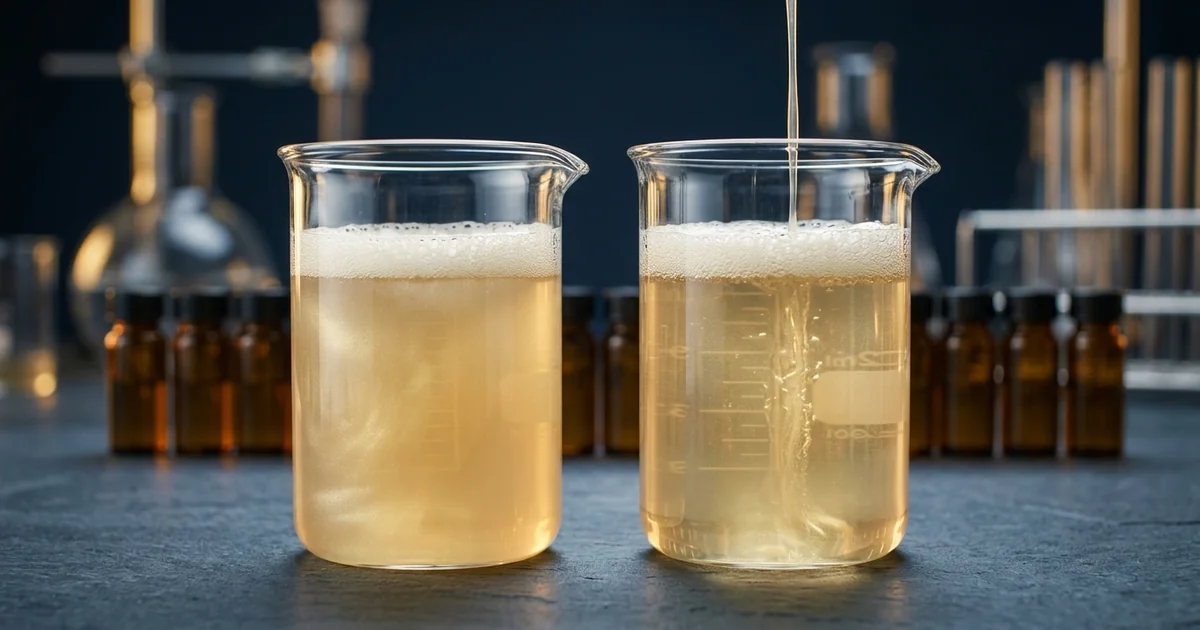
Every brand planning a hair care range meets the same argument. One camp calls sulphates harmful, while the other calls them harmless and the reason shampoo works. Sulphate free shampoo is now one of the most searched terms in hair care, with Google Keyword Planner estimating roughly 60,000 monthly searches in India and about 300,000 worldwide. That demand is real, but so is the risk of building a launch on a claim you cannot defend. This guide separates what sulphates are from what the evidence says about them, and shows where a sulphate free formula genuinely helps. It then sets out what a brand can legitimately print on the label. Global Formulation applies the same formulation and regulatory thinking when it develops hair care ranges for manufacturers.
What Sulphate Free Shampoo Actually Means
A sulphate free shampoo is defined by chemistry, not by gentleness. It contains no surfactant from the sulphate family, which covers alkyl sulphates and alkyl ether sulphates such as sodium lauryl sulfate (SLS) and sodium laureth sulfate (SLES). Both are organosulfates, meaning the fatty chain joins the sulphate group through an oxygen atom. That single structural detail sets the boundary of the claim, and several strong detergents sit just outside it.
- Sulphates versus sulphonates — in a sulphonate, the carbon chain bonds directly to sulphur with no oxygen bridge. Olefin sulphonates, sulphosuccinates and isethionates therefore count as sulphate free, even though their names sound similar.
- The INCI spelling — ingredient lists use the international INCI name, which spells the word "sulfate". A label audit means scanning for that word, whatever spelling appears on the pack.
- Sulphates are not sulphur — searches for "sulphur free shampoo" confuse a surfactant class with an element. The claim says nothing about sulphur-containing actives such as the anti-dandruff agent selenium sulfide.
The table below places common shampoo surfactants on each side of the line.
| Surfactant (INCI) | Chemical class | Sulphate free? | What to know |
|---|---|---|---|
| Sodium Lauryl Sulfate | Alkyl sulphate | No | The reference irritant in dermatology patch testing |
| Sodium Laureth Sulfate | Ethoxylated alkyl sulphate | No | The sulphate most widely used in shampoos |
| Sodium C14-16 Olefin Sulfonate | Sulphonate | Yes | High foam and fat-dissolving power that holds up in hard water |
| Disodium Laureth Sulfosuccinate | Ethoxylated sulphonate | Yes | Ethoxylated, so 1,4-dioxane control still applies |
| Sodium Cocoyl Glycinate | Amino acid carboxylate | Yes | Fine, creamy foam; a common primary surfactant in mild systems |
| Cocamidopropyl Betaine | Amphoteric | Yes | Usually a co-surfactant that boosts foam and moderates irritation |
| Decyl Glucoside | Nonionic alkyl polyglucoside | Yes | Very mild, low-foam co-cleanser |
Anyone choosing between these classes for a real product should read our detailed guide to building sulphate free shampoo surfactant systems. Olefin sulphonates are documented as strongly foaming, fat-dissolving surfactants that appear in some shampoos as an alternative to SLES.
With the boundary drawn, the next question is whether the family on the far side of it deserves its reputation.
Sulphate Free Shampoo Myths: What the Evidence Says About SLS and SLES
Brands inherit the sulphate debate whether they want it or not, and most of it mixes real chemistry with internet folklore. The genuine finding is narrow: SLS is an irritant, and its irritation rises with concentration and contact time. The alarming claims about cancer and hair loss do not survive contact with the literature. Sorting fact from folklore is the first job of any sulphate free positioning.
| Common claim | What the evidence shows |
|---|---|
| Sulphates irritate skin and scalp | Partly true. SLS is widely used as the reference irritant in dermatology patch testing, and its irritation increases with concentration and exposure. The Cosmetic Ingredient Review panel judged SLS safe in products designed for brief use followed by thorough rinsing. |
| SLES is just another name for SLS | No. SLES is prepared by ethoxylating the fatty alcohol. The added ethylene oxide units make the molecule more hydrophilic and reduce its irritation potential compared with SLS. |
| Sulphates cause cancer | No supporting evidence. The claim traces to an anonymous chain email that circulated from the late 1990s, and the carcinogenicity of SLS is described as a rumour rather than a finding. |
| Sulphates cause hair loss | No clinical evidence. Recognised causes of hair loss include genetics, hormones, autoimmune disease, medication, illness and stress. Brittle strands that snap can look like thinning, but that is fibre breakage, not follicle loss. |
| Sulphates strip oil from hair | True by design. Alkyl sulphates are efficient detergents, so they remove sebum readily. Whether that feels like stripping depends on hair type, wash frequency and the finished formula. |
The defensible position is therefore that sulphates are effective detergents with a dose-dependent irritation profile. That supports a sulphate free range aimed at people who want a gentler-feeling daily wash. It does not support telling anyone that sulphates are dangerous. For the real causes of thinning hair and the formulation strategies behind them, see our guide to scalp care and anti-hair-loss formulations.
One legitimate technical concern sits beneath the SLES debate, and it has nothing to do with the sulphate group.
Sulphate Free Shampoo and 1,4-Dioxane: The Ethoxylation Question
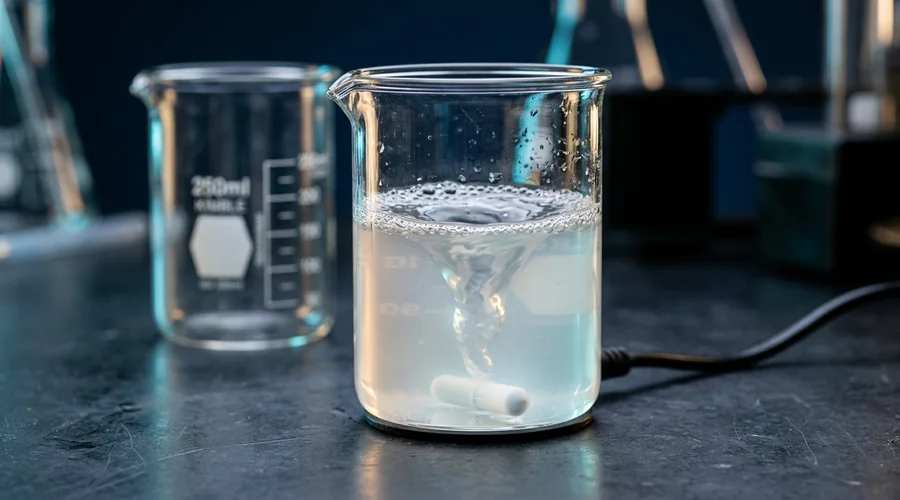
The best-founded technical concern about SLES comes from how it is made, not from the sulphate group itself. Ethoxylation adds ethylene oxide units to a fatty alcohol before sulphation, and that step can generate 1,4-dioxane as a manufacturing by-product. Because ethoxylation is used across many ingredient families, a sulphate free formula can carry exactly the same by-product. A brand that markets sulphate free as a purity claim without checking this exposes itself on a point any informed critic can test.
- What it is — the FDA states that 1,4-dioxane is not an ingredient but a contaminant formed during the manufacture of certain ingredients. It notes that the EPA classifies the compound as "likely to be carcinogenic to humans".
- Where it can appear — the FDA points to ingredient names containing PEG, polyethylene, polyoxyethylene, "-eth-" or "-oxynol-". That covers SLES, but it also covers disodium laureth sulfosuccinate and PEG-derived thickeners.
- How manufacturers control it — vacuum stripping of the ethoxylated raw material, which the FDA has recommended since the 1980s, reduces the level. The agency reports that Europe's scientific committee regards trace amounts as safe for consumers, and the FDA itself has set no mandatory limit.
- How to verify it — request dioxane data for every ethoxylated raw material, then confirm the finished product by analytical testing, typically gas chromatography–mass spectrometry.
With the myths and the real concerns separated, the practical question becomes which customers a sulphate free shampoo actually serves.
Who Should Choose Sulphate Free Shampoo, and When Sulphates Still Win
The decision to go sulphate free should follow a customer need, not a trend. Sulphates are efficient, low-cost detergents, and that efficiency is an advantage for some users and a drawback for others. Keyword Planner data show demand clustering around specific needs such as curly hair, dry hair, colour-treated hair and dandruff. Each segment calls for different evidence before a brand can promise a benefit.
| Segment | Monthly searches (India / worldwide) | Evidence the brand needs |
|---|---|---|
| Curly and wavy hair | 12,100 / 110,000 | Cleansing and after-wash feel assessed on tresses of the target hair type, not on generic hair |
| Dry hair | 5,400 / 27,100 | Panel or instrumental assessment of after-wash dryness and combability against a benchmark shampoo |
| Colour-treated hair | 1,000 / 40,500 | Spectrophotometric colour retention over repeated wash cycles on dyed tresses |
| Dandruff | 6,600 / 14,800 | Efficacy data for the active itself; the surfactant choice does not confer the claim |
| Sulphate and paraben free | 14,800 / 22,200 | Separate documentation for each free-from claim; neither proves the product is gentle |
Volumes are Google Ads Keyword Planner monthly averages captured in September 2026. Worldwide interest in colour-treated hair far outstrips the Indian figure, which matters for brands planning exports. Dandruff deserves particular care, because the regulatory route for anti-dandruff actives differs by market and is treated as over-the-counter drug regulation in the United States. Our guide to anti-dandruff formulation and antifungal actives explains how those actives work.
Sulphate based shampoos remain the sensible choice in four situations:
- Heavy sebum and build-up — high detergency suits clarifying shampoos and very oily scalps.
- Hard-water markets — alkyl ether sulphates keep their foam and cleansing in hard water, whereas some mild surfactants foam noticeably less.
- Cost-sensitive volume — SLES is an inexpensive commodity surfactant, while specialty mild surfactants typically cost more per kilogram and lift the retail price.
- Lather-led markets — sulphate systems deliver a large, fast lather without engineering, while sulphate free bases need deliberate foam design.
Whichever way a product lands, the label is where legal risk concentrates, so it deserves the same rigour as the formula.
What Sulphate Free Shampoo Claims a Brand Can Legitimately Make
A sulphate free label is a free-from claim, and regulators treat free-from claims as a category with its own rules. The claim must be true in full, documented, and worded without implying that a legally permitted ingredient is dangerous. Errors here create regulatory and reputational exposure long before they create a technical problem. The rules are consistent enough across major markets to apply as one checklist.
- European Union — Regulation (EU) No 655/2013 sets six common criteria for cosmetic claims: legal compliance, truthfulness, evidential support, honesty, fairness and informed decision-making. The Commission's Technical Document on Cosmetic Claims applies them to free-from wording, requiring that the absence be complete and documented and that the wording not disparage legal ingredients.
- United States — cosmetics need no FDA premarket approval. False or misleading labelling still makes a product misbranded under the Federal Food, Drug, and Cosmetic Act, and the FTC polices advertising claims. Our guide to FDA, EU and BIS cosmetic regulatory pathways covers the routes in detail.
- India — the Consumer Protection Act, 2019 treats an advertisement as misleading if it falsely describes a product or is likely to mislead consumers about its nature, substance or quality. The Advertising Standards Council of India applies its own self-regulatory code, and the Central Consumer Protection Authority can impose penalties.
Applied to a sulphate free shampoo, those principles translate into a short evidence list for each claim a brand wants to print.
| Claim | Evidence to hold before printing it |
|---|---|
| Sulphate free | Full INCI audit of the finished formula, plus supplier declarations for every blended raw material checked component by component |
| Gentle or for sensitive scalps | Dermatological irritation testing on the finished product; the absence of sulphates proves nothing about mildness |
| Colour safe | Spectrophotometric colour retention across repeated washes against a benchmark |
| Dioxane free | Analytical results on the finished product, not only a supplier statement |
| Chemical free | Cannot be substantiated, because every ingredient including water is a chemical; drop the phrase |
The last row is worth a closer look, and our guide to what clean, natural and non-toxic beauty claims actually mean unpacks why vague purity language fails under scrutiny.
Claims are only as strong as the process that produced them, which brings us to the sequence a brand should follow from customer to shelf.
A Six-Step Framework for Launching a Sulphate Free Shampoo
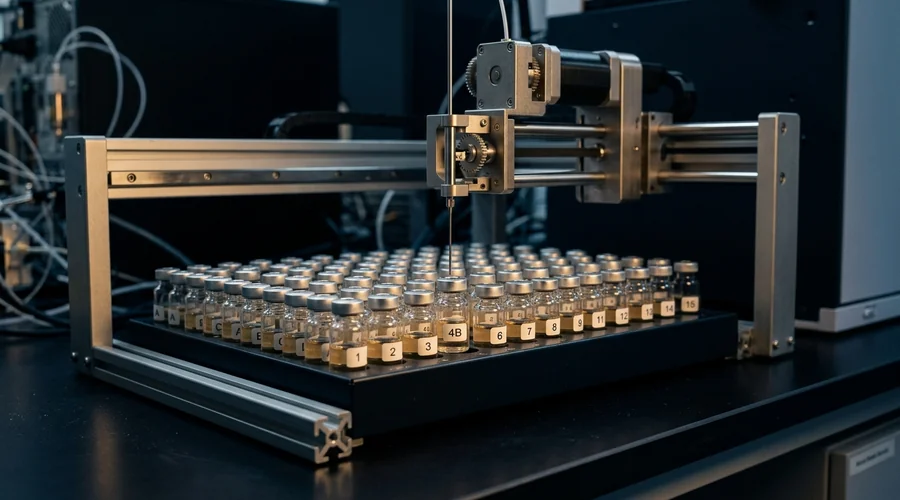
Turning the science into a product plan takes six decisions in a fixed order. Making them out of sequence is how brands end up with a formula that cannot support the claim already printed on the pack. The order below moves from the customer to the claim to the chemistry, and it finishes with the evidence file that protects the launch.
- Define the customer need — daily-wash comfort, curly or dry hair, colour-treated hair or dandruff. Each need implies a different performance test.
- Decide what you will claim — use "sulphate free" as a descriptor alongside a benefit you can test, and leave out "chemical free" language entirely.
- Pick the surfactant architecture — choose between amino acid, glucoside and betaine systems or a sulphonate-based system, and decide whether ethoxylated ingredients fit your positioning. Our shampoo surfactant selection guide compares the options.
- Audit the raw-material declarations — check every INCI name and every blend, and collect dioxane data for any ethoxylated ingredient.
- Validate on realistic soils and hair types — test foam, viscosity, cleansing and stability on the finished base, because mild surfactants change all four compared with sulphates.
- Build the substantiation file — assemble test reports, supplier declarations and the safety assessment, and review the label before it goes to print.
A brand building its first range will find the wider operational picture in our guide to starting a shampoo and hair care manufacturing unit. The full category context sits on our cosmetics and personal care page. The takeaway is simple. Sulphate free is a legitimate formulation route, not a safety upgrade. It earns its place on the pack only when the evidence behind it is as strong as the marketing in front of it.
Frequently Asked Questions
Is sulphate free shampoo better for your hair?
Are SLS and SLES the same thing?
Do sulphates cause cancer or hair loss?
Can a sulphate free shampoo still contain 1,4-dioxane?
Does sulphate free shampoo foam less?
Is sulphate free the same as chemical free or natural?
What should a brand check before printing sulphate free on a pack?
Why is it spelled sulphate in some places and sulfate in others?
Need Expert Formulation Support?
Our team develops hair care ranges end to end — from surfactant system selection and stability testing to claim substantiation and regulatory review — so your sulphate free launch stands on evidence.
Get a Free Consultation