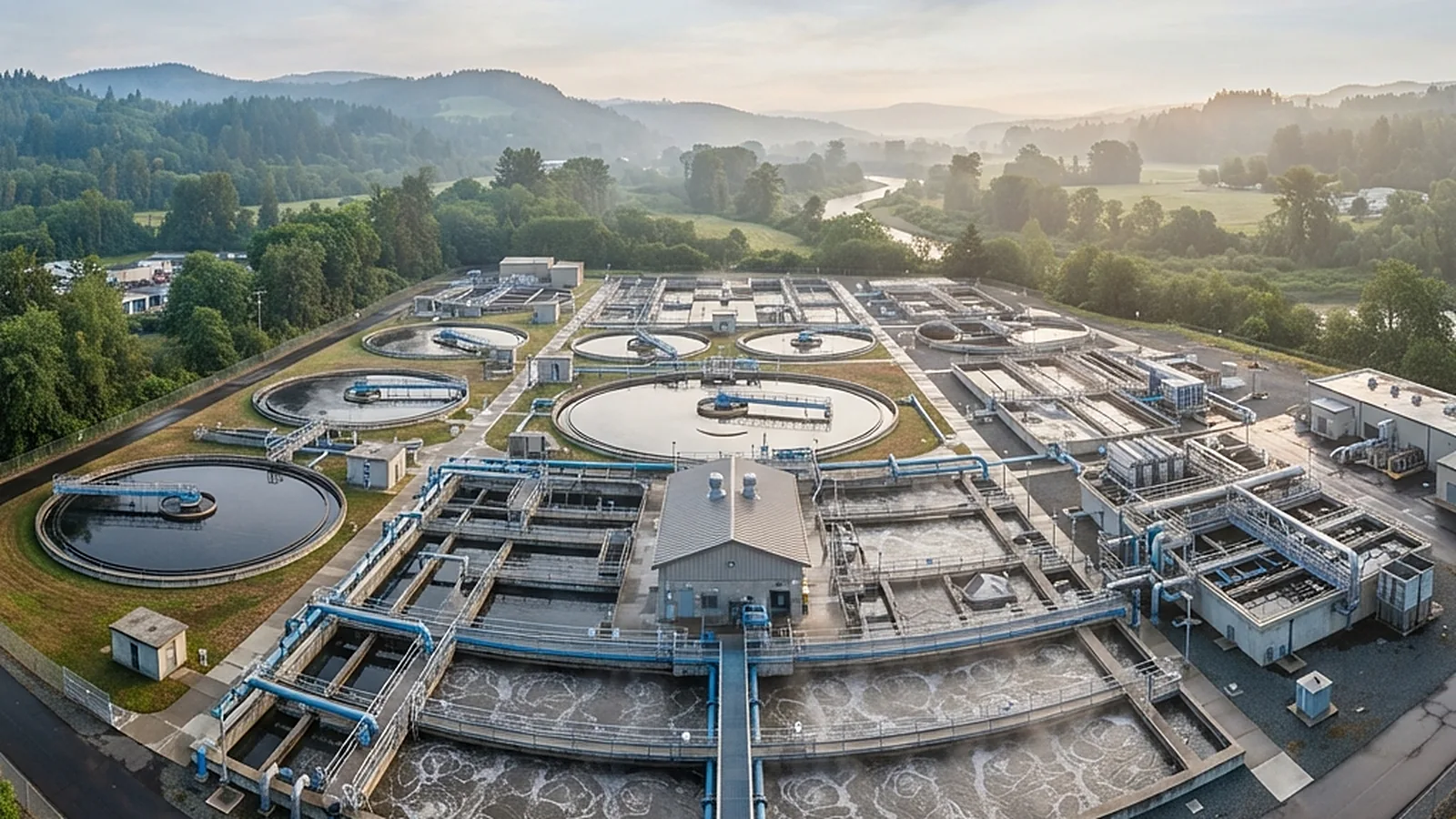
Water & Wastewater Scope
From the first meter reading to a treated stream you can reuse: the scope we cover, end to end.
Engineering
Water & Wastewater Service Areas
A structured view of the service areas we engineer, what each one delivers, and the design basis behind it.
Water audit and site water balance
Water supplySite water balance
Metering plan
Scope & Configuration
Walk-down, meter inventory and a balance of every inflow, use and discharge.
Method & Approach
Trace every stream from source to discharge, reconcile the balance, rank losses and reuse opportunities, then define where additional metering is needed.
Raw and utility water treatment
Water supplyProcess and utility water supply
Scope & Configuration
A treatment train matched to the raw-water quality and to the quality each user needs.
Method & Approach
Select filtration, softening or ion-exchange stages from the raw-water analysis, size them for peak demand and for backwash or regeneration water, and specify materials for the chemistry.
RO, UF and demineralisation
Water supplyDemineralisation plants
Polishing
Scope & Configuration
Membrane and ion-exchange systems with pretreatment, cleaning and concentrate handling designed in.
Method & Approach
Choose between RO with polishing and ion exchange on feed salinity and operating cost, set flux and recovery within fouling and scaling limits, and design pretreatment, antiscalant dosing and clean-in-place.
Cooling tower and boiler water
Water supplyBlowdown and make-up design
Treatment programme and monitoring
Scope & Configuration
Water balance, control strategy and treatment programme for cooling and boiler systems.
Method & Approach
Set cycles of concentration against scaling and corrosion limits, size blowdown and make-up, and define the inhibitor, biocide and monitoring programme.
Effluent treatment plants (ETP)
WastewaterEquipment and tank sizing
Operating philosophy
Scope & Configuration
A treatment train built on the characterised effluent: equalisation, physico-chemical, biological and polishing stages.
Method & Approach
Characterise and segregate streams, test treatability at bench scale, then design the train from equalisation through to sludge handling and set the control and operating philosophy.
Sewage treatment and sludge
WastewaterSludge thickening and dewatering
Scope & Configuration
Biological sewage treatment and sludge handling sized to population and organic load.
Method & Approach
Select the biological process on load and footprint, add tertiary treatment where the standard needs it, and match sludge dewatering to the quantity and nature of the sludge.
Zero liquid discharge and evaporation
Reuse & recoveryEvaporator and crystalliser selection
Salt and residue plan
Scope & Configuration
Membrane concentration followed by evaporation and crystallisation to recover water and isolate solids.
Method & Approach
Maximise water recovery in the membranes first, then select multiple-effect or vapour-recompression evaporation on energy cost, and plan solids handling from the salt composition.
Water reuse and recycling
Reuse & recoveryReuse treatment design
Scope & Configuration
Match each stream’s quality to the use that can take it, and treat only as far as needed.
Method & Approach
Map sources to sinks, set the quality each use needs, and design the minimum treatment that makes the match work.
Chemical dosing and control
Dosing & controlControl loop and setpoint philosophy
Remote monitoring
Scope & Configuration
Probes, controllers and metering pumps arranged as one measured and monitored system.
Method & Approach
Size pumps from the dose range and injection pressure, choose the control strategy (feedback, flow-proportional or timed), and specify alarms, logging and communication.
How a water engineering engagement runs
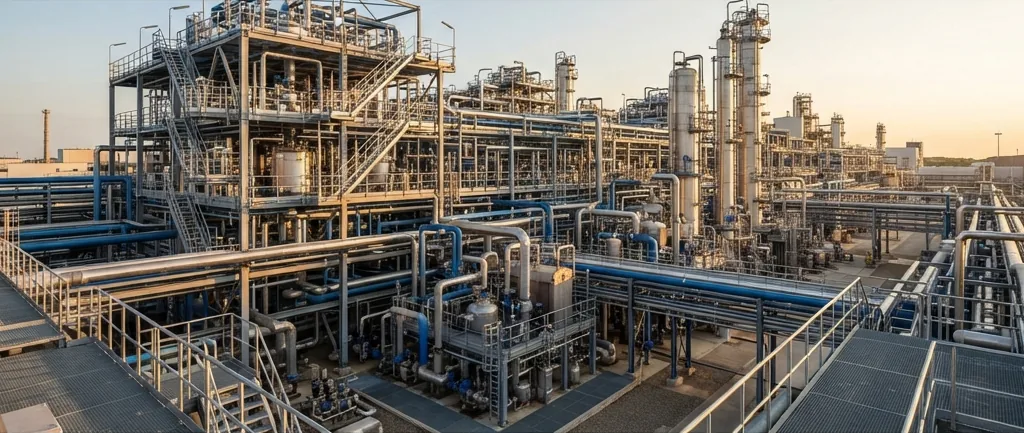
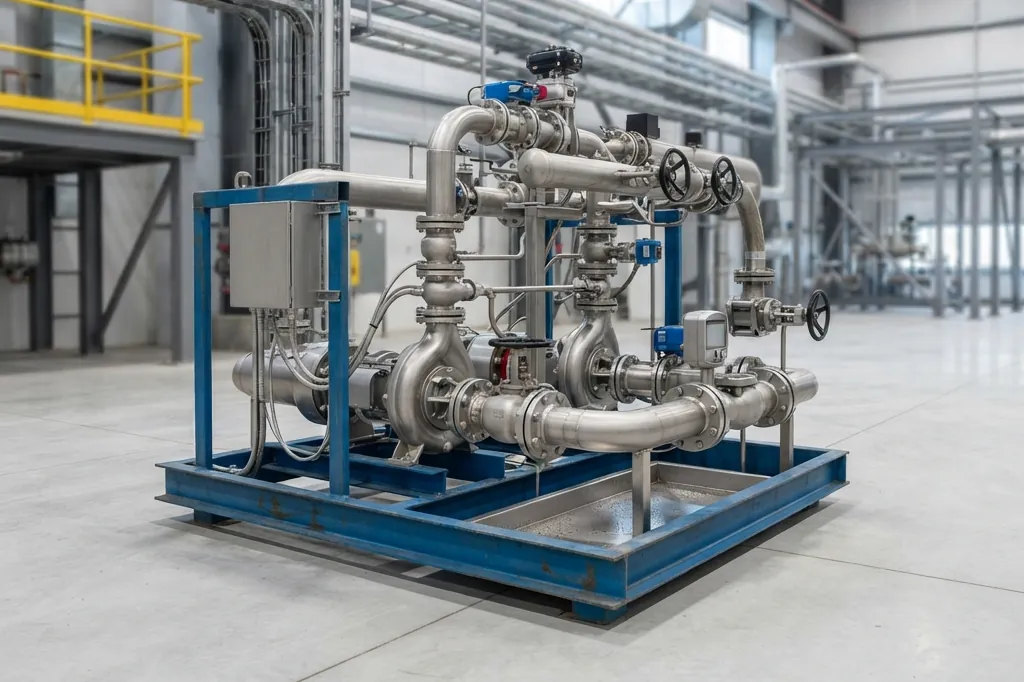
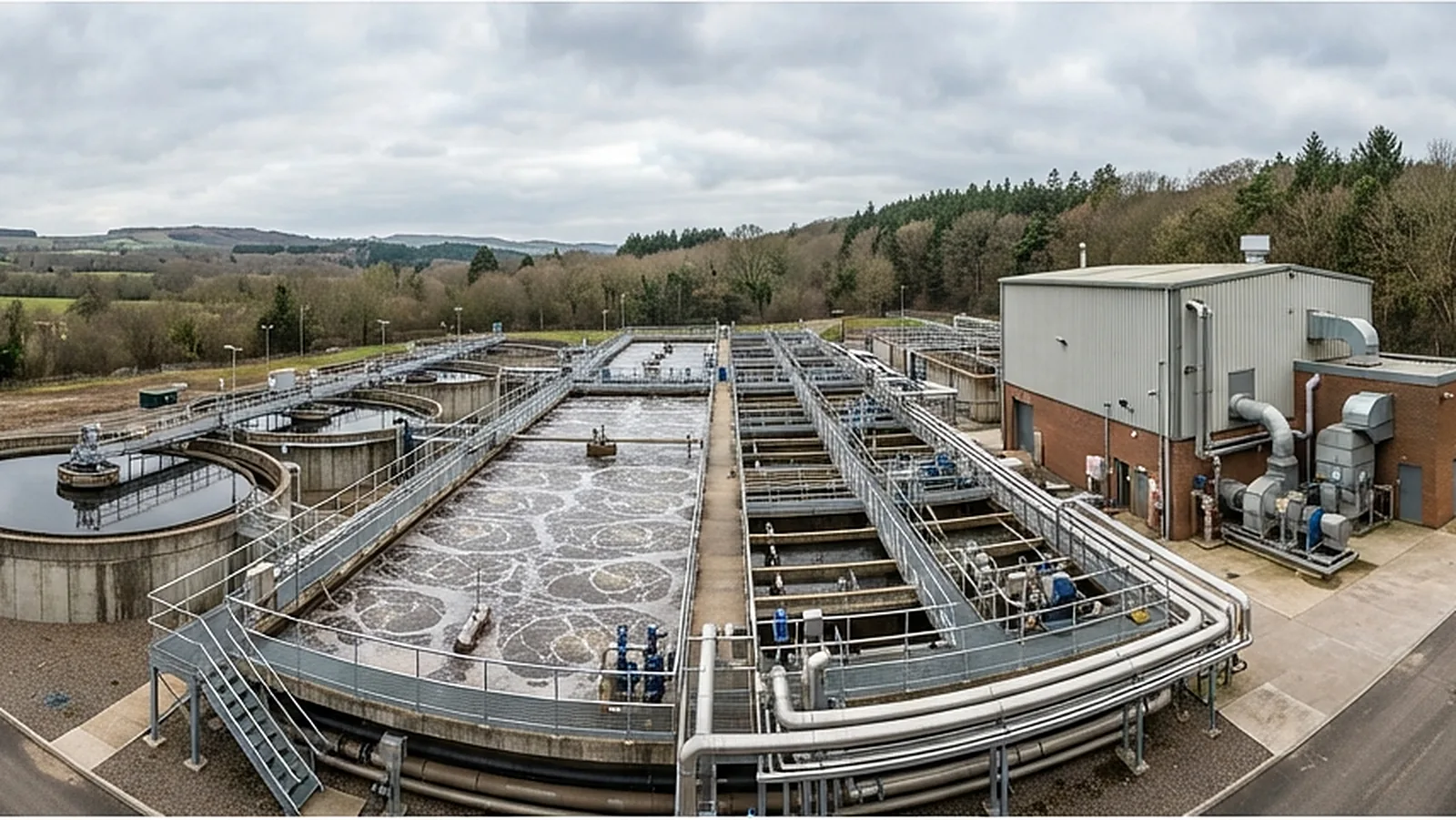
From Site Data to a Working Plant
Every stage produces a written output that the next stage builds on, so decisions stay traceable.
Water Audit & Balance
Measure and map every stream, close the water balance and identify where water is lost, wasted or can be reused.
Speak With Our Engineers Characterisation & Treatability
Characterise the streams, segregate what should not be mixed, and run bench-scale treatability tests before choosing a process.
Speak With Our Engineers Process Design
Develop the treatment train, mass balance, equipment sizing, PFDs and P&IDs from the characterised flows and the discharge or reuse target.
Speak With Our Engineers Dosing, Instrumentation & Control
Specify dosing systems, instruments, control loops and alarms, so chemicals are used in proportion to load and performance is visible.
Speak With Our Engineers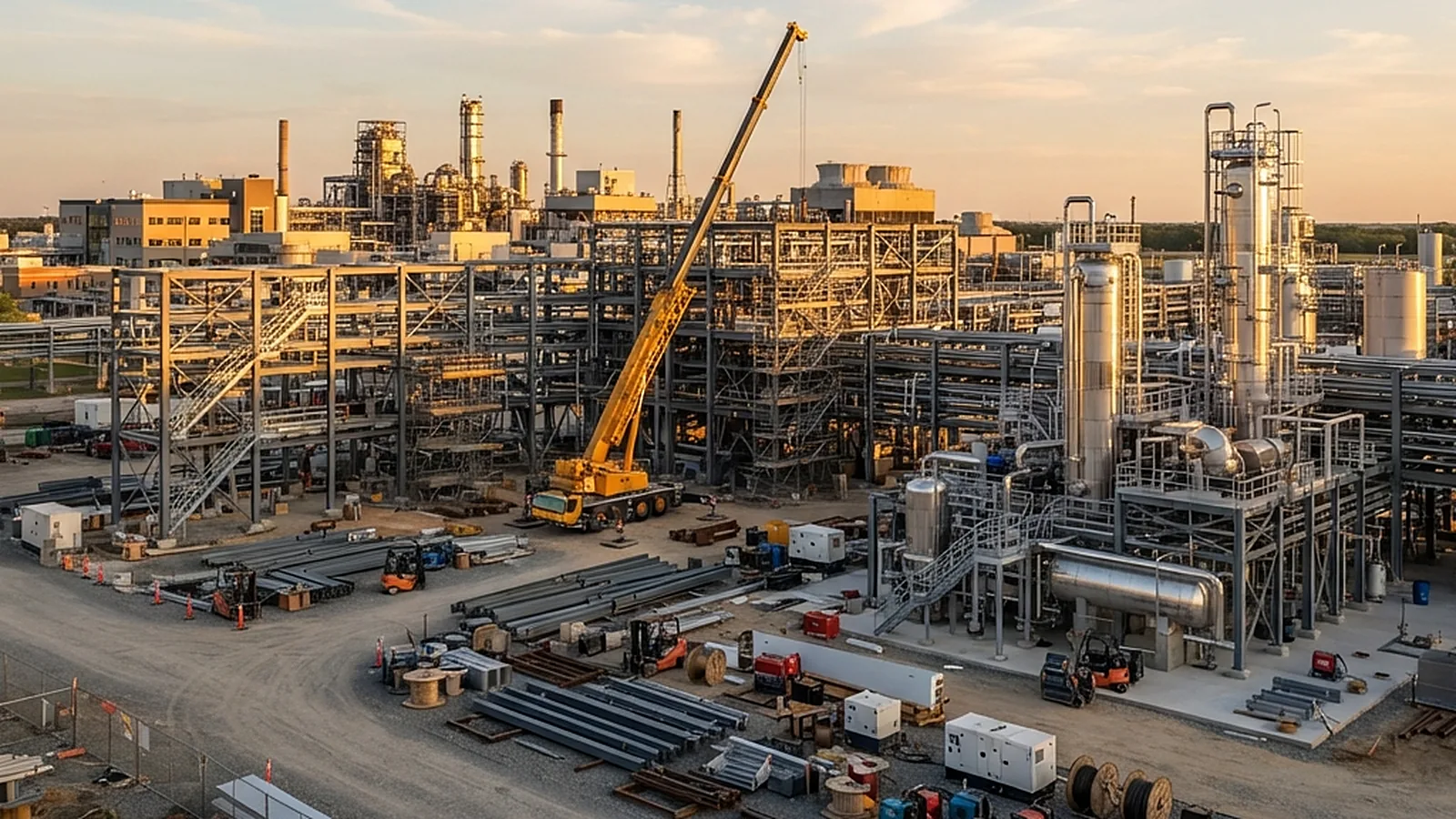
Procurement & Construction Support
Prepare equipment specifications and vendor comparisons, review drawings, and support installation against the design basis.
Speak With Our Engineers Commissioning & Handover
Support start-up and ramp-up, verify performance against the design basis, and hand over operating procedures and training.
Speak With Our EngineersPlanning a water or effluent project?
Tell us about the site, the water sources and the discharge or reuse target, and we will outline the studies and scope needed first.
Discuss Your Water ProjectWater Treatment Knowledge Base
Water chemistry, treatment programmes and system guides from our technical team.
Cooling Tower Water Treatment: Scale, Corrosion, Fouling
Cooling tower water treatment explained: cycles of concentration, scale and corrosion chemistry, inhibitors, biocides, Legionella controls and monitoring.
Read MoreReverse Osmosis Pretreatment: SDI, Dechlorination, Filters
Read MoreRO Antiscalant Selection: Chemistry and Scaling Control
Read MoreBoiler Water Treatment: Internal vs External Programs
Read MoreLegionella Cooling Tower Control: Water Management Guide
Read MoreFrequently asked questions
Straight answers to the questions we hear most often.
What is a water audit and what does it produce?
A water audit measures where water enters a site, where it is used and where it leaves, then reconciles those flows into a site water balance. It produces a water flow map, a list of losses and reuse opportunities, and a metering plan for the gaps. It is the baseline for any treatment or reuse design.
When does a site need an effluent treatment plant?
A site needs one when its process or utility wastewater cannot meet the limits for discharge to a sewer or water body, or when treated water is to be reused. The characterised flow and load, not the production capacity alone, set the design.
Why are treatability studies done before designing a plant?
Effluents from similar industries differ widely, and some streams inhibit biological treatment or resist conventional chemistry. Bench-scale treatability tests show which processes work on the actual stream, so the design rests on measured results rather than assumptions.
What is zero liquid discharge, and is it always required?
Zero liquid discharge recovers water from effluent and leaves only solids for disposal, usually by membrane concentration followed by evaporation and crystallisation. It is energy-intensive and is justified where there is no discharge route, discharge is prohibited, or water is very expensive. Many sites meet their goals with high recovery and reuse short of full zero liquid discharge.
How do you choose between RO and ion exchange for demineralised water?
The choice depends mainly on feed salinity, the quality required and operating cost. Ion exchange suits low-salinity feeds and very high purity, while reverse osmosis becomes more economical as dissolved solids rise; the two are often combined, with RO ahead of polishing. Chemical consumption and waste handling are compared over the life of the plant.
How does this differ from your water treatment chemicals work?
Our water treatment chemicals pages cover the chemistry and formulation of coagulants, inhibitors and biocides. The engineering described here designs the systems those chemicals are used in: the treatment trains, dosing and control, and the plant around them.
Related engineering services
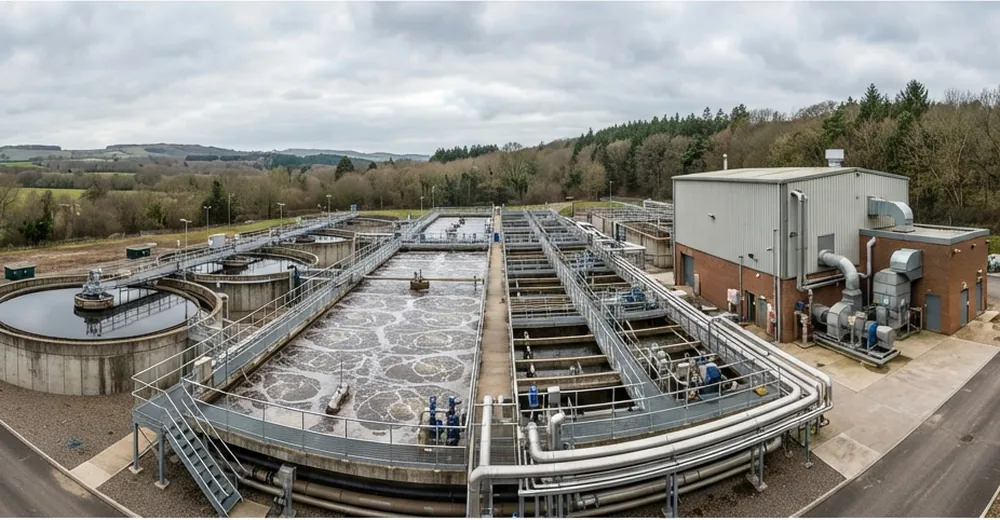
Effluent Treatment Plant (ETP) Engineering
Stream characterisation, treatability testing, ETP process design, sludge handling and commissioning support.
Explore the service →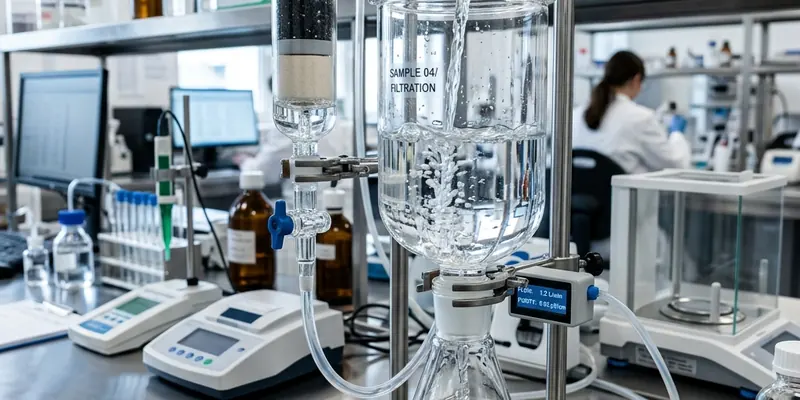
Water Treatment Chemicals
Coagulants, flocculants, scale and corrosion inhibitors, biocides and the chemistry behind water treatment programmes.
Explore the service →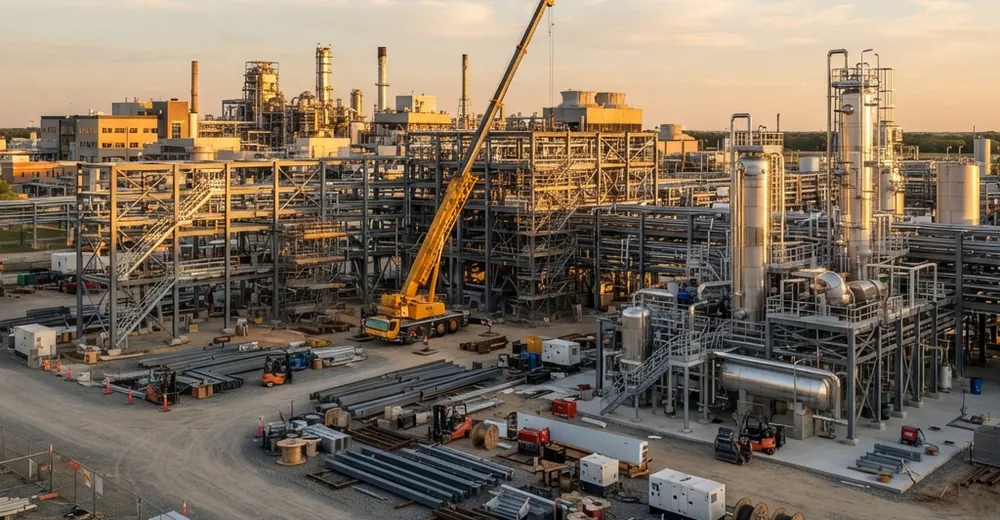
EPC / EPCM & Project Management
Feasibility, FEED, detailed engineering, procurement, construction management and commissioning for process plants.
Explore the service →Reach us directly.
Prefer a direct line? Reach our formulation team through any channel below — we typically respond within one business day.